
Strawberry Road Park, MP Opinion, Nottingham Maternity Review & More
Good morning readers and a happy very hot Thursday to you all !
I hope you're enjoying your seven newsletters, and the occasional special edition that we deliver every week, all 100% FREE and not an advert to be seen - if you haven't subscribed yet .... why not?
Our fabulous competition to win tickets to 'Beyond Van Gogh' or 'Beyond Monet' for the opening week of the exhibition at Motorpoint Arena in Nottingham ends this week so we'll announce the lucky winner next week. This competition can only be won by one of our amazing newsletter subscribers. Spread the word.
Todays thought for the day ... “You've gotta dance like there's nobody watching, Love like you'll never be hurt, Sing like there's nobody listening,
And live like it's heaven on earth.” ― William W. Purkey
Enjoy the read and have a great day wherever you are in Bassetlaw.
Justin Doddy, Editor
P.S. Don't forget to subscribe to our newsletter here if you haven't already and please forward our newsletter to anyone that you think would like a good read.
Nottingham Forest Chairman Nicholas Randall KC issues statement thanking supporters for their incredible backing throughout the 2025/26 season, both at the City Ground and across Europe.
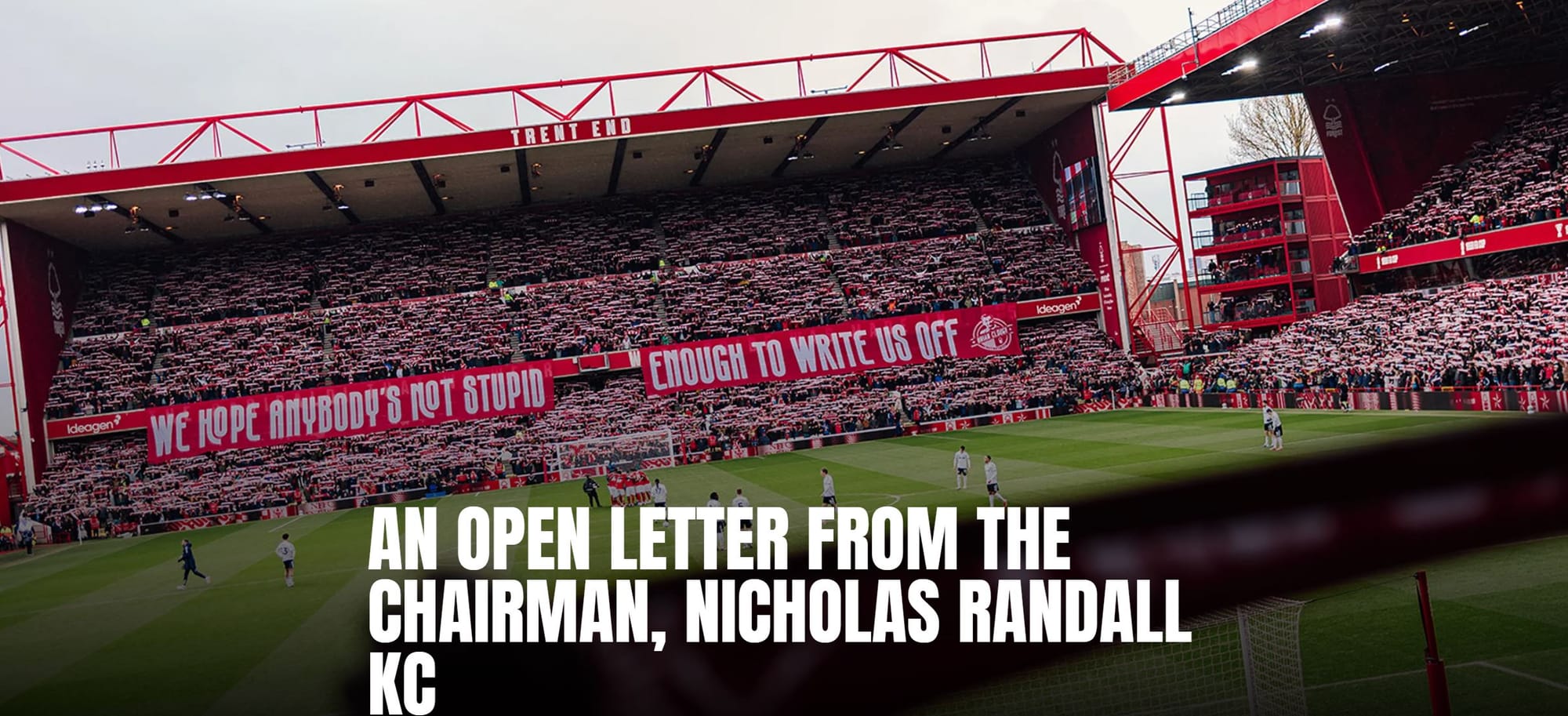
Despite facing the challenges of one of the world's most competitive leagues, Forest secured a fifth consecutive Premier League season while also representing the club with pride in the UEFA Europa League.
The Chairman praised supporters for creating unforgettable memories from Seville and Porto to Istanbul and Herning, highlighting the special bond between the club and its fans.
Looking ahead, Forest's focus remains on retaining the core of the squad while strengthening key areas during the summer transfer window. The club is committed to bringing in players who not only possess quality on the pitch but also embody the character and values of Nottingham Forest.Supporters were also reminded that season card prices have been frozen for 2026/27, with the Young Adult category reintroduced to help make Premier League football more accessible for the next generation.
Regarding the City Ground, no new stadium development announcements were made. However, the Chairman confirmed that significant work continues behind the scenes with the relevant authorities as the club pursues its long-term ambition of creating a world-class stadium and sporting venue capable of welcoming more supporters in the future.
The statement concluded with thanks to all Forest fans for their loyalty and support, best wishes to players representing their countries at the FIFA World Cup, and a message of excitement ahead of welcoming supporters back to the City Ground in August.
The full statement can accessed on the Nottingham Forest website HERE
Have your say on Strawberry Road Park in Retford
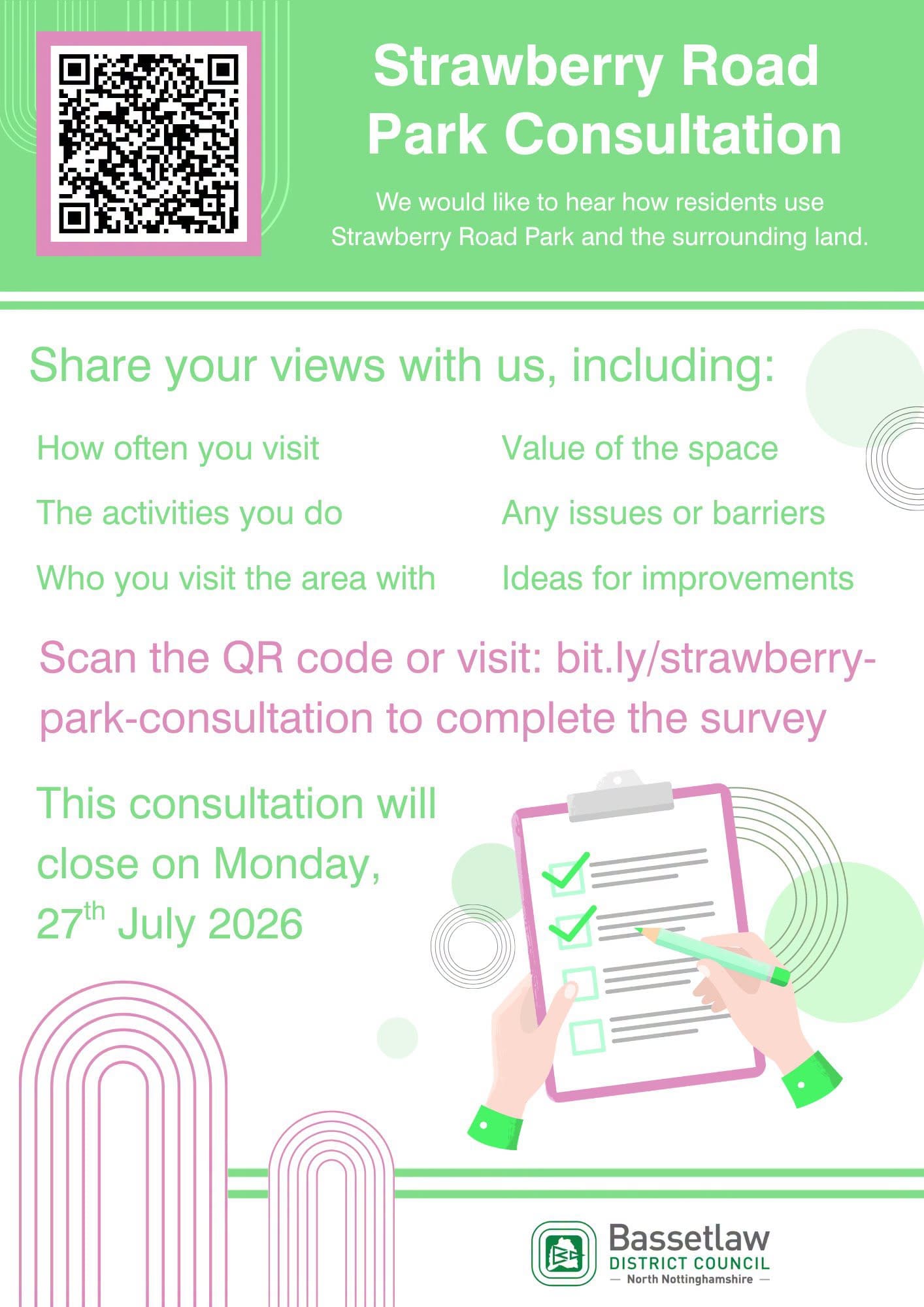
Bassetlaw District Council has launched a consultation to find out how residents use Strawberry Road Park and the surrounding land, and whether any improvements are needed.
The online survey runs until 27th July 2026 and gives people the chance to share:
How often they visit
What they enjoy about the park
Ideas to make it even better for everyone in the community
A face-to-face event will also take place on 5th and 6th July, from 3:30pm to 5:30pm at the play park.
The council will use your feedback to understand what changes, if any, could help improve the area.
To take part in the survey, follow the instructions in the poster.
Content and image courtesy of Bassetlaw District Council
Our three interesting facts for today ....
Hitler's nephew William Hitler served in the US Navy
The Australian constitution includes New Zealand as its seventh state
Samurai always brought dried plums to battles
Bassetlaw's Non-League Clubs Ready for a New Season of Local Football
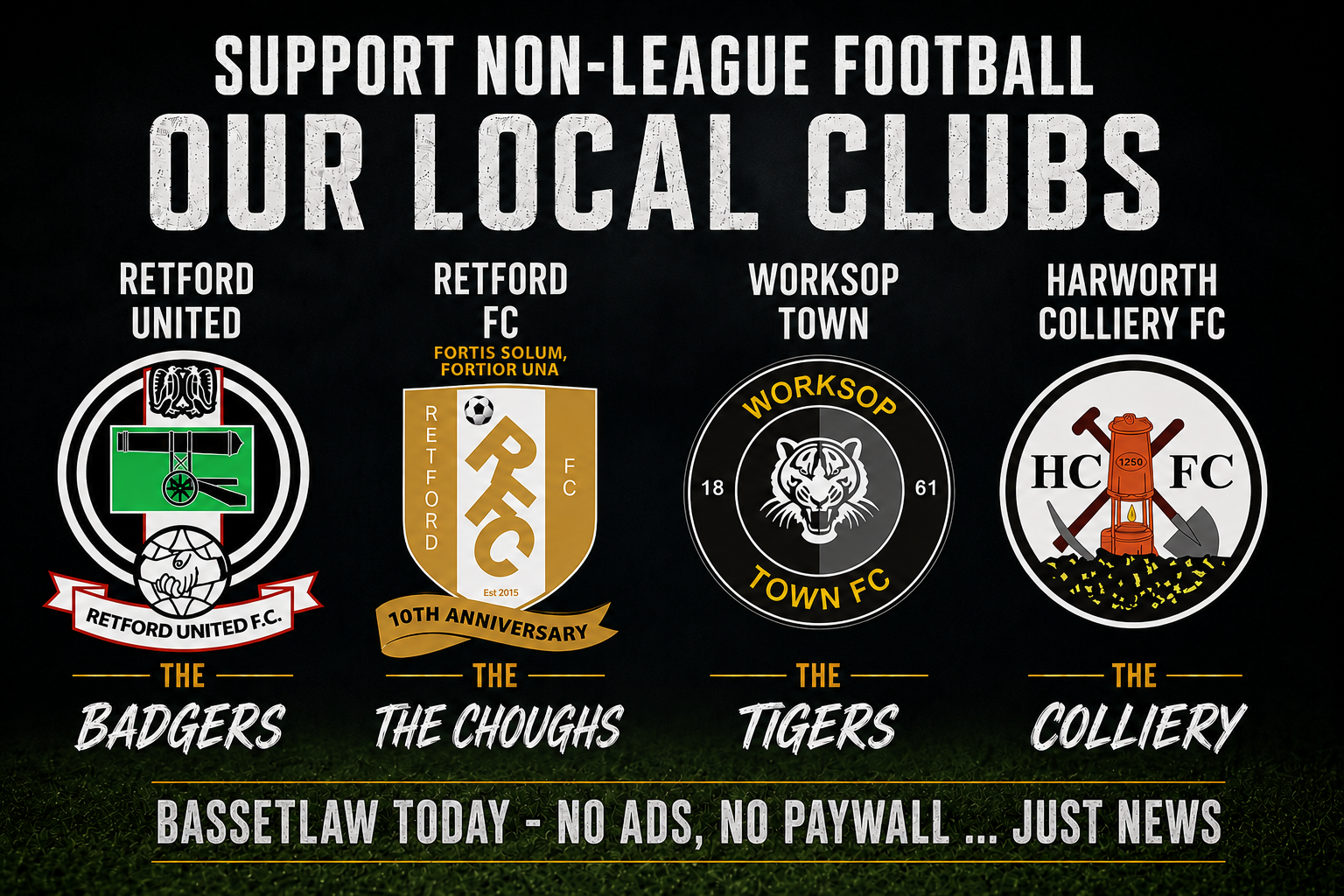
As the countdown to the 2026/27 season continues, football supporters across Bassetlaw are preparing to get behind their local clubs once again as another exciting year of non-league football approaches.
While the bright lights of the Premier League often dominate headlines, some of the county's most passionate support can be found much closer to home, with clubs across Bassetlaw continuing to play a vital role in their communities.
Leading the way is Worksop Town FC, who continue to represent the district at one of the highest levels of non-league football. The Tigers have enjoyed a remarkable rise through the football pyramid in recent years and are now competing in the National League North, attracting supporters from across the region.
Meanwhile, both of Retford's clubs are looking forward to exciting new challenges after successful campaigns last season.
Retford United FC are preparing for life in the Northern Counties East League (NCEL) Premier Division following a promotion-winning season. The club described the achievement as a "historic promotion-winning campaign" and will be aiming to build on that momentum at Cannon Park.
Retford FC, known as the Choughs, also enter the new season on a high after securing promotion and being crowned champions of United Counties League Division One. The club continues to grow both on and off the pitch, with a strong emphasis on developing local players and strengthening community ties.
Bassetlaw's football scene extends beyond its headline clubs, with teams such as Harworth Colliery FC, Worksop Town Reserves and numerous grassroots sides continuing to provide opportunities for players of all ages to participate in the game.
One of the biggest attractions of non-league football remains its affordability. Supporters can enjoy live football, family-friendly atmospheres and a genuine connection with players and club officials, all while helping sustain clubs that sit at the heart of their local communities.
Whether it's standing on the terraces with friends, enjoying a pie on a Saturday afternoon or following your team home and away, non-league football offers an experience that many feel has been lost in the modern game.
With promotion dreams, local rivalries and community pride all on the line, the 2026/27 season promises to be another memorable one for Bassetlaw football.This season, why not swap the sofa for the terraces and support your local club?
Bassetlaw. Local football. Local pride.Which Bassetlaw club will you be supporting this season?

The Health Bill will deliver real change for patients
Everyone knows the NHS needs change. People are waiting too long for appointments. Too many patients feel they are passed from pillar to post. The system often feels too big, too slow and too far away from the people it is meant to serve.
I am sitting on the Bill Committee for the new Health Bill, which will examine this legislation line by line. My job is to make sure this new law works for patients, staff and local communities.
The biggest change is the abolition of NHS England, the national body that helps manage the NHS in England. Most people do not know what NHS England is or who runs it, even though it has huge influence over how the NHS works.
The Bill will bring many of its powers back under the control of the Department of Health and Social Care. That means clearer responsibility. The NHS is paid for by the public, and the public deserve to know who is in charge. If things go wrong, those responsible must answer for it.
Local health bodies, called Integrated Care Boards, will have a clearer job. They will have more responsibility for planning local services, including more primary care services such as GP, dental, pharmacy and eye care services.
That means decisions are made closer to patients by people who understand local priorities.
The Bill also changes how patients are listened to.
The NHS has too many management bodies, too many layers and too much confusion. Patients often do not know who to speak to. Families tell their story again and again, reports are written, but many still feel nothing changes.
Under this Bill, the job of listening to patients will move closer to the people who actually make decisions.
For health services, local Integrated Care Boards would take on this role. For social care and public health, local councils would take it on. In plain English, this means fewer middlemen and clearer responsibility.
If patients cannot get a dentist, local NHS leaders should hear that directly, and if people are being bounced around the system, the organisations in charge should not be able to hide behind another body.
As a member of the Bill Committee, I will be scrutinising this closely.
My aim is clear. I want to see less management and more action, and an NHS where patients are not just consulted, but listened to, and their experiences result in real change for the better.
Win tickets to see Beyond Van Gogh or Beyond Monet

Win a pair of tickets or a family ticket (5 tickets) for Beyond Van Gogh or Beyond Monet for the opening week of the exhibition at Motorpoint Arena in Nottingham.
To be in the draw all you need to do is sign up to our 100% Free daily digital newsletter. Current subscribers will be entered automatically.
Full details can be found at: https://bassetlaw-today.ghost.io/competition-2/ .
Events grants launched by Worksop Together Board
Grants to support a vibrant programme of monthly events, festivals and cultural initiatives have been launched by the Worksop Together Board, working in partnership with Bassetlaw District Council.
Businesses, community and voluntary organisations are among those being invited to bid for a share of £40k to deliver events in the Worksop Pride in Place designated area up until March 2027.
It’s hoped the events will help increase footfall in the town centre, boosting the visitor economy as well as creating pride in place.
Andria Birch, Chair of the Worksop Together Board and CEO of Bassetlaw Community Voluntary Service (BCVS) said:
“We are very pleased to launch this funding opportunity to support local organisations to run additional events in Worksop over the next year. Local people said clearly, they want to see more local events for families and young people, and we now look forward to seeing the proposals that come forward.
“Community engagement and involvement will continue throughout all Worksop Together developments including currently development of community engagement events, focus groups and a short live survey. Please complete this if you live, learn or work in Worksop to ensure community views are considered when assessing applications.”
The events must support priorities including enhancing community engagement, cohesion, improving health and wellbeing, or creating volunteer opportunities.
Cllr Steve Scotthorne, Cabinet Member for Identity, Planning and Place at Bassetlaw District Council said: “These events grants provide an opportunity to bring more visitors into the town, increasing footfall and helping to boost pride in the area.
“I look forward to seeing the successful applicants’ events being brought to life in the months to come.”
To find out more information visit www.bassetlaw.gov.uk/PiP-events-grants-guidance applications for the grant funding need to be submitted by midnight on 17th July.
The money is part of the £20million Pride in Place government funding which has been allocated to Worksop and the surrounding area over the next ten years to create new opportunities, boost growth and address local issues.
Creswell Crags: Nottinghamshire's Window into Prehistoric Britain
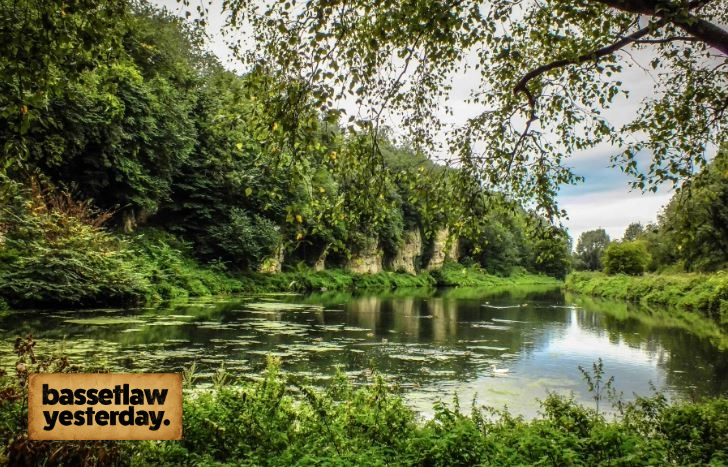
Nestled on the Nottinghamshire-Derbyshire border, Creswell Crags stands as one of Britain's most important prehistoric sites, offering a remarkable glimpse into human life stretching back more than 60,000 years.
The dramatic limestone gorge, carved by water over thousands of years, is home to a series of caves that have preserved evidence of some of the earliest inhabitants of Britain. Although the county boundary runs directly through the site, with some caves in Nottinghamshire and others in Derbyshire, archaeologists view Creswell Crags as a single landscape that was used by prehistoric communities long before modern borders existed.
A Record of Human Survival
For tens of thousands of years, Creswell Crags provided shelter for generations of hunter-gatherers living in an Ice Age landscape. During much of this period, glaciers covered large parts of Britain, leaving the region around Creswell as a cold tundra environment where survival depended on hunting animals for food, clothing and tools.
Archaeological discoveries within the caves reveal a fascinating timeline of human occupation. The earliest evidence comes from Neanderthals, who lived in Britain around 60,000 years ago. Their stone tools, particularly scrapers used for preparing animal hides, have been found within the cave deposits, providing rare insights into their way of life.
Around 40,000 years ago, modern humans, known as Homo sapiens, arrived in Britain. These early people left behind distinctive stone tools, including finely crafted spear points used to hunt large Ice Age animals such as mammoths and woolly rhinoceroses.
The Creswellian People
One of the most significant periods in the site's history came around 13,000 years ago, as the Ice Age began to retreat. As temperatures warmed and wildlife returned, groups of hunter-gatherers moved back into the area.
These people produced a unique range of tools now known as "Creswellian" after the site itself. Archaeologists have uncovered stone and bone tools alongside the remains of hunted animals, helping to build a detailed picture of life during this crucial period of Britain's prehistory.
Evidence of these communities has also been found elsewhere in Nottinghamshire, particularly around the River Trent near Newark, where animals gathered to drink and became targets for skilled hunters.
Britain's First Ice Age Cave Art
Creswell Crags gained international recognition in 2003 when archaeologists made a groundbreaking discovery that transformed understanding of Britain's prehistoric past.
For the first time, Ice Age cave art was identified in Britain.
The engravings, discovered in Church Hole Cave on the Nottinghamshire side of the gorge, include images and symbols carved into the cave walls by prehistoric artists thousands of years ago. The discovery placed Creswell Crags alongside famous European cave art sites such as Lascaux in France and Altamira in Spain.
The find confirmed that Britain's Ice Age communities shared artistic traditions with their European neighbours at a time when Britain was still connected to mainland Europe.
Later History
While Creswell Crags is best known for its Ice Age archaeology, evidence of later prehistoric communities has also been uncovered. Small Mesolithic flint tools dating from around 8,500 years ago have been found, along with artefacts from the Neolithic farming period, the Bronze Age and Iron Age.
These discoveries chart the gradual transition from mobile hunter-gatherer societies to settled farming communities and eventually the more complex societies that existed before the Roman invasion of Britain in AD43.
A Site of National Importance
Today, Creswell Crags remains one of the most important archaeological and educational sites in the United Kingdom. Continued investment and conservation work have helped preserve the caves and their remarkable archaeological record, allowing visitors, researchers and students to explore a unique chapter of Britain's ancient past.
From Neanderthal hunters and Ice Age artists to the first farmers of the region, Creswell Crags provides an extraordinary record of human history spanning tens of thousands of years.
Credit: This article is based on research and historical interpretation by Leslie Cram and information published by the Nottinghamshire Heritage Gateway and Creswell Crags Heritage Trust.
Nottingham Maternity Review
By: Lauren Monaghan, LDRS
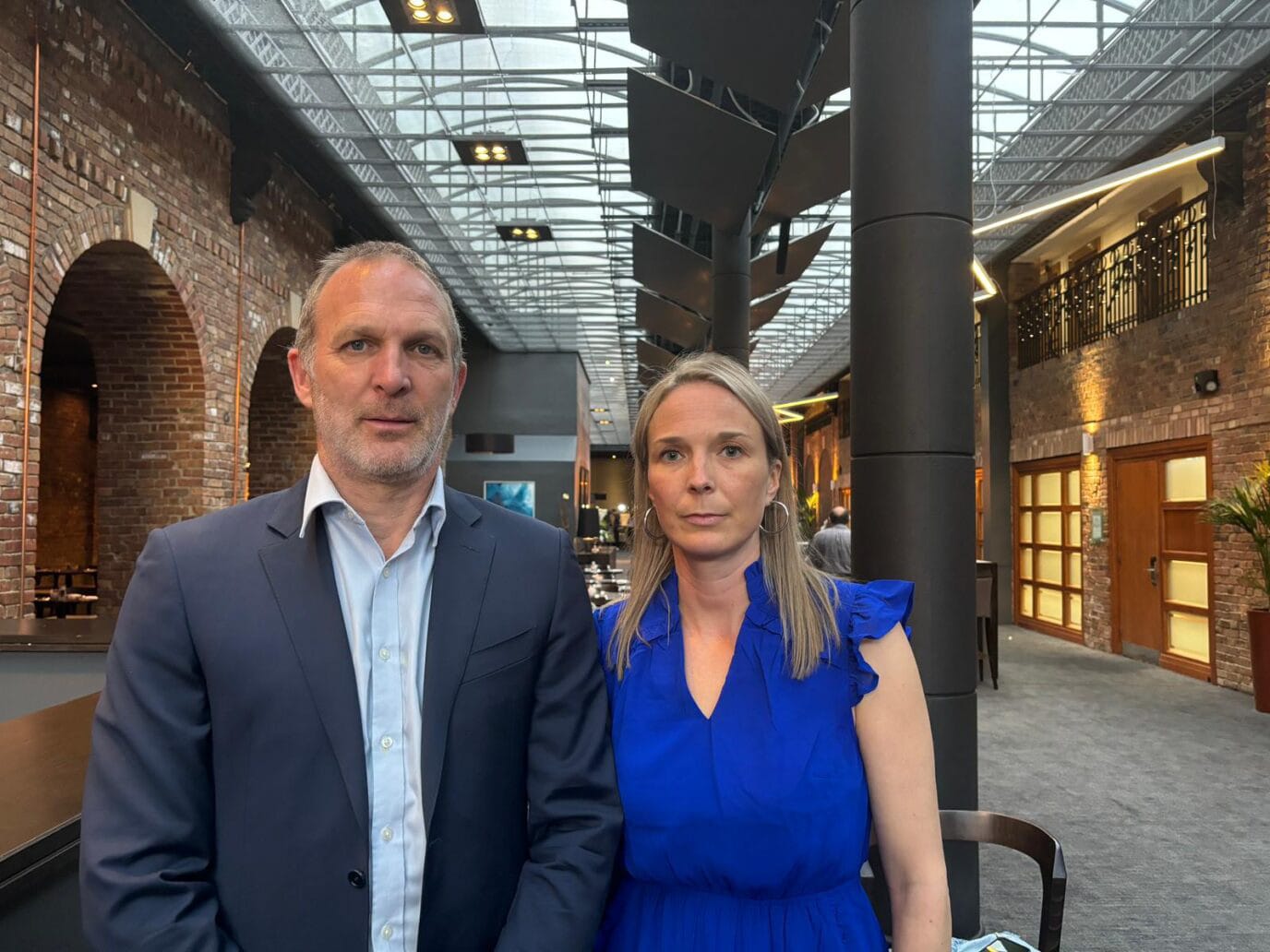
Undignified body storage, an early gestational baby being disposed of as clinical waste and 156 babies who could have survived under better care.
These are just some of the harrowing maternity realities thousands of mothers, babies and families have had to endure under the care of Nottingham hospitals.
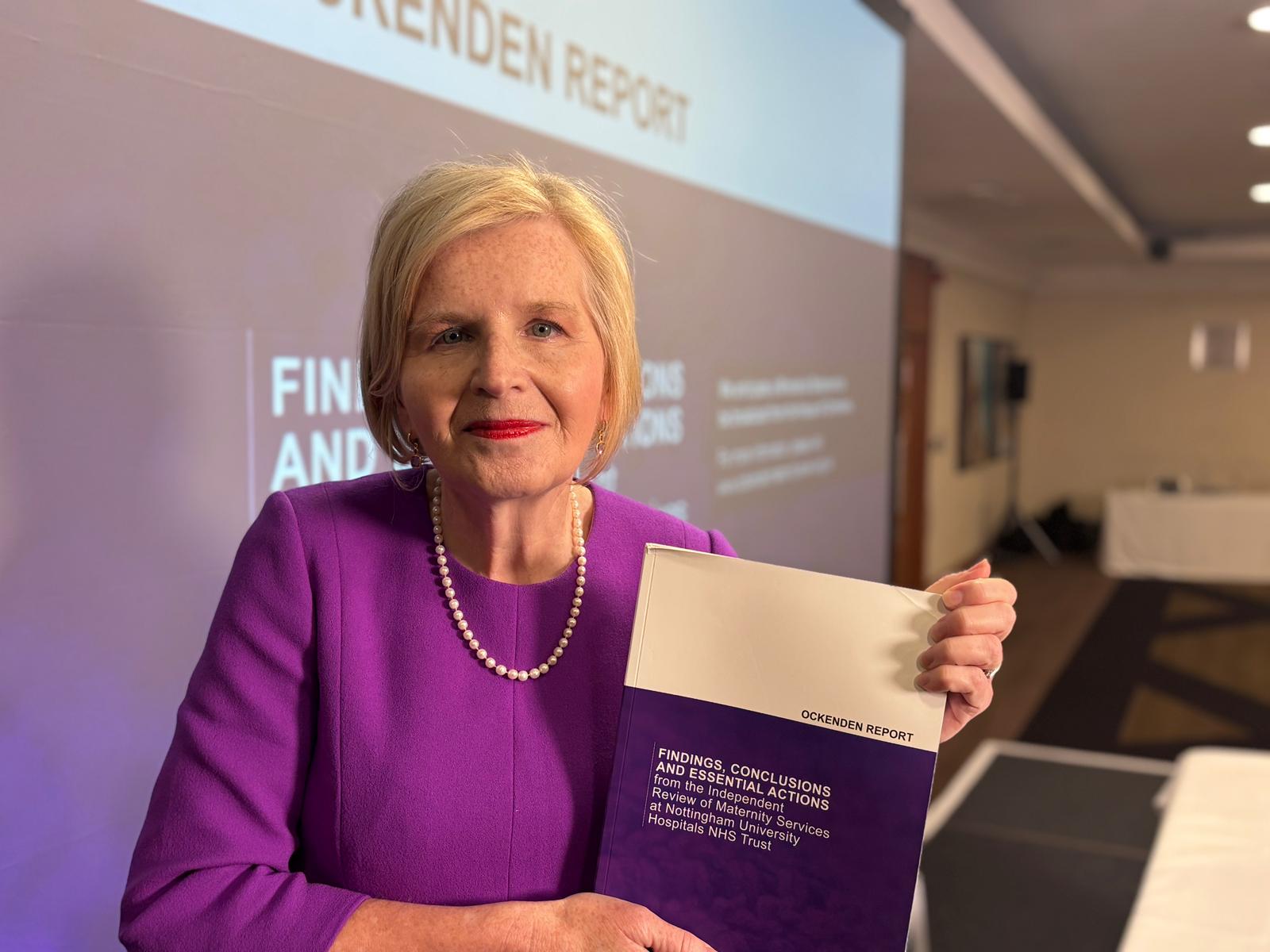
For nearly four years, Donna Ockenden’s independent maternity review has been unravelling care failings under Nottingham University Hospitals Trust’s (NUH) maternity and neonatal services as far back as 2006, though the majority of cases are from 2012.
Examining 2,505 cases of death and serious harm, and involving 2,430 families and 822 staff, the review is the largest in NHS history.
On Wednesday (June 24), distressing details of the report were read out by Ms Ockenden to an audience of impacted families and the media while on a live broadcast.
Of the 2,505 cases, 612 relate to severe maternal harm, 505 relate to stillbirths, 329 relate to neonatal deaths – within the first 28 days of life – 297 relate to brain injuries at birth, 24 relate to maternal deaths and 535 relate to additional maternity experiences.
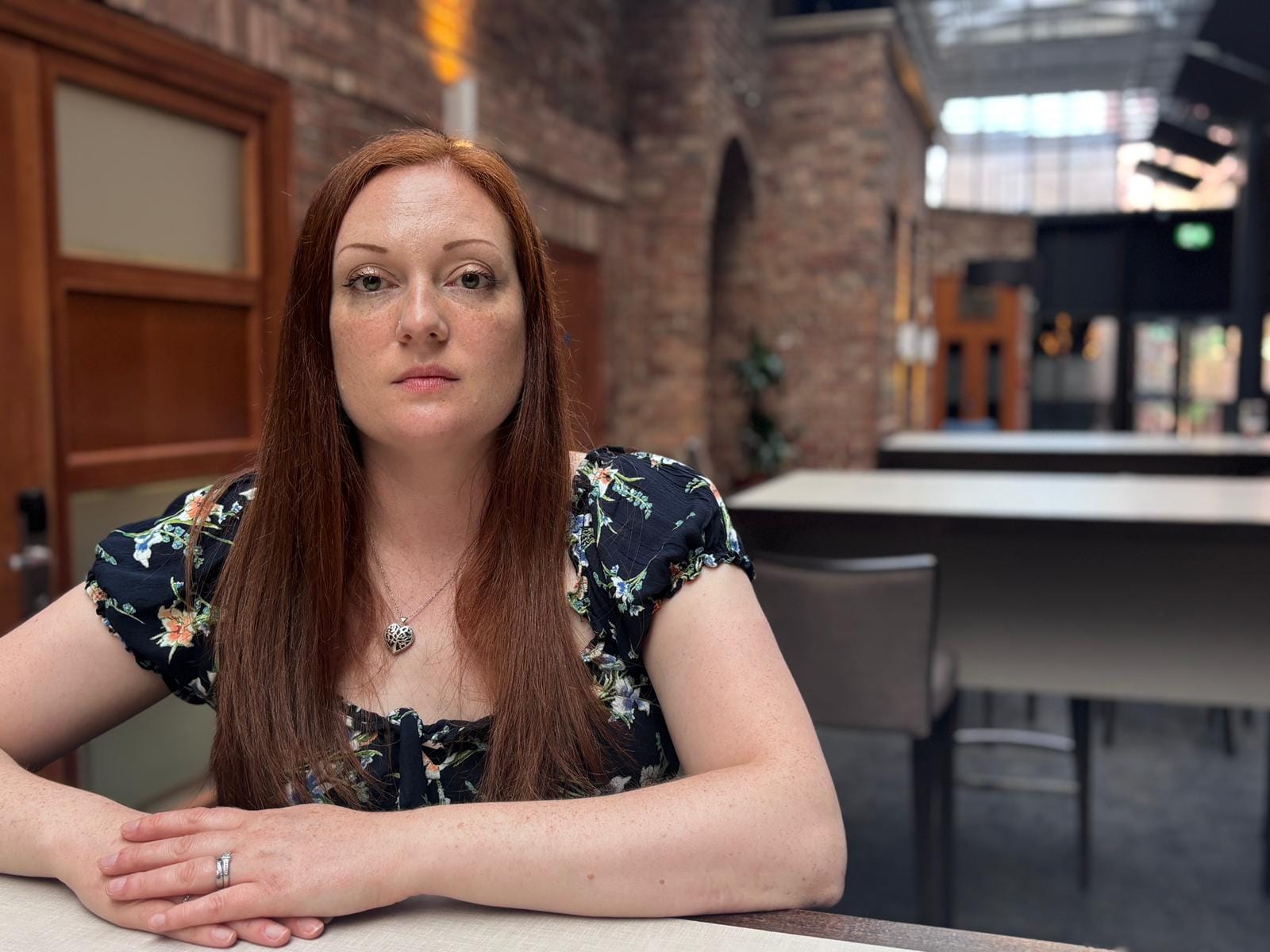
One stark outcome from the review is that it found 156 babies could have survived had better care been provided by NUH over a period of 13 years, relating to 94 stillbirths and 62 neonatal deaths.
There were also 105 potentially avoidable severe brain injuries inflicted on babies.
Devastating details around the handling of babies and a mother after death have also been revealed.
In 2016, after death, one baby was placed by a member of the portering staff into a mortuary space already occupied by an unrelated deceased adult patient – the parents were not notified of this until 2026.
Later in 2019, a very early gestational baby was “inadvertently” disposed of as clinical waste, with Ms Ockenden calling this a “complete loss of dignity” and said it caused “significant distress” for the parents.
The report details the case of a mother who died in 2021 and was allowed to deteriorate so much in the hospital mortuary that her mother was not able to view her body.
Speaking to the families and media, Ms Ockenden said: “What emerges from those testimonies, consistently and painfully, across more than a decade, is a pattern of families not being listened to, not being believed and being dismissed or minimised.
“Women who raised concerns about their baby’s movement, or their baby’s lack of growth, being told they were anxious and imagining it.”
She continued that women were repeatedly “turned away” after multiple calls for help during labour and denied C-sections.
Reacting to the published report, Sarah Hawkins, whose daughter Harriet was stillborn at Nottingham City Hospital in 2016, said:
“It was really difficult, because it should never have happened.
“So much was preventable. Had they listened to us in 2016 or had they listened to people before us, there’d be no one in that room today.”
Jack Hawkins, Harriet’s dad, said:
“The normalisation of harm in maternity is extraordinary.
“We’re buoyed by the strength of the findings and the strength of Donna’s delivery.
“There is no reason that the immediate and essential actions from this report can’t be made mandatory today – there’s no reason at all.”
The families involved in the review are calling for a national public inquiry into maternity failings – a judge-led investigation which compels witnesses to give evidence on an issue.
Mr Hawkins says he has “zero faith” that changes to maternity services will happen unless a statutory public inquiry happens.
He said:
“We’ve had Morecambe Bay [investigation], Shrewsbury and Telford [review], we’ve had Nottingham – none of them are saying vastly different things.
“Until we understand why maternity is unsafe in this country through a statutory public inquiry, I have no expectation that things will be better.”
Felicity Benyon, who had her bladder accidentally removed during a C-section at Queens Medical Centre in 2015 said it was “heartbreaking” to hear the numbers of impacted babies and mothers in the review, and how many “should still be here”.
She said:
“The preventable bit is the hardest bit. When anything happens to you it’s hard to deal with how that massively changes your life.
“But when you know it should never had happened, if people had done their job properly, you wouldn’t be living with the lifelong harm and trauma that comes with that, it’s a whole other level of pain.”
Speaking on the calls for a public inquiry, Ms Benyon said:
“We need to know was it certain consultants, certain midwives, that instigated ways of working and poor culture, poor lack of accountability which has then crept up as they’ve got promotions, or whether it’s come from the top down.”
“This [review] has taken that pain and tried to turn it into a little positive, trying to focus that on not wanting anyone else to go through what I’ve gone through… we’re not stopping, this is not the end.”
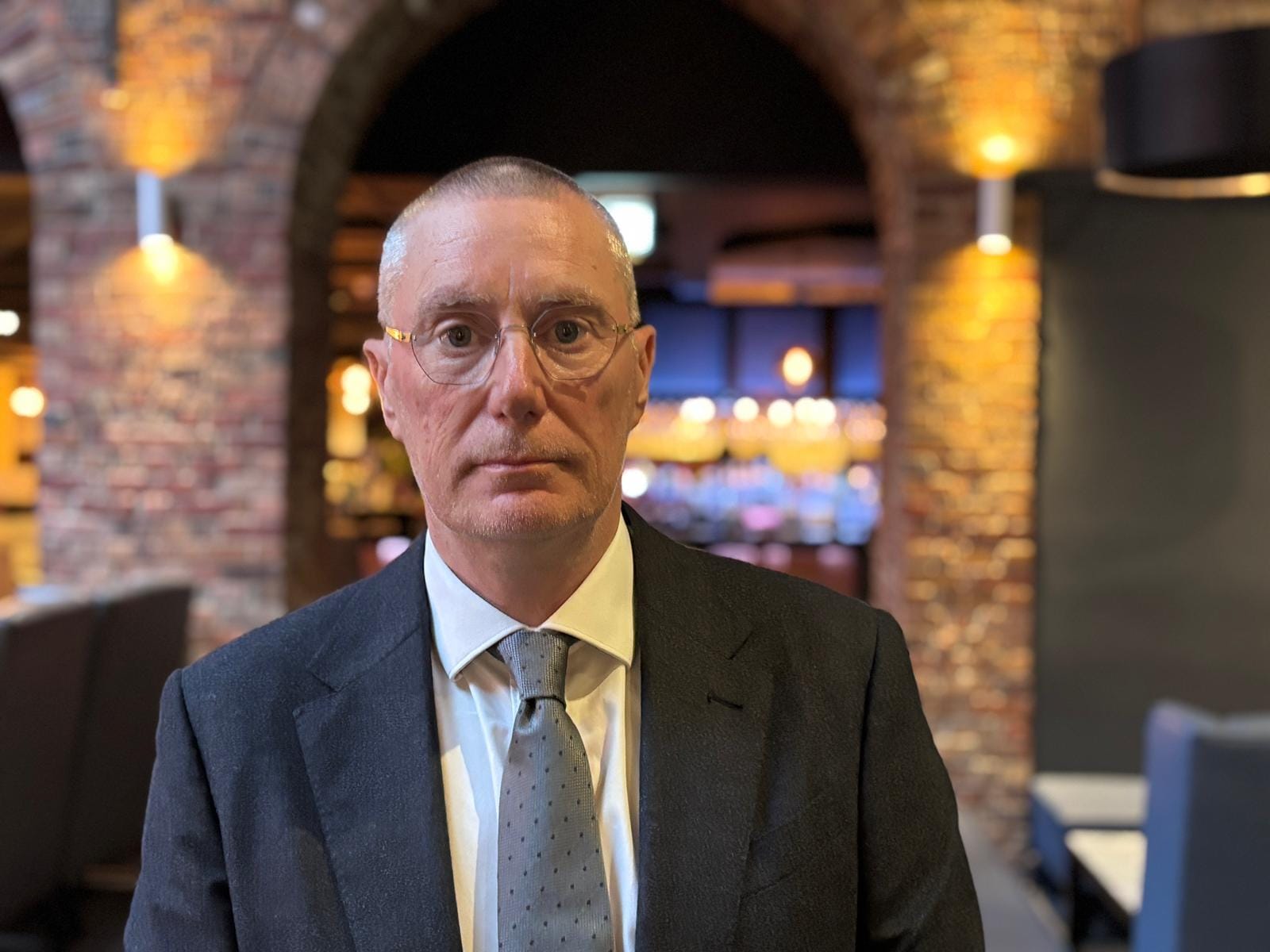
Anthony May, chief executive of NUH, said he was “extremely sad” over the review’s findings, but said he had admiration for the courage the families had shown through the process and “determined” to build on the trust’s maternity improvements.
He said:
“We have been open and transparent about our failures from day one… we’ve tried to be humble, and see things from their [families] point of view and we’ve grafted really hard to try and improve the services.”
Mr May said that when he joined the trust in 2022, NUH hit five out of the 10 safety recommendations in maternity, but it now meets all 10. It also had around 126 vacancies for midwives at the time which is now down to 15.
He said:
“We owe it now to these families and we owe it to local women to rebuild trust and make things better.
“It means something to me because I live here, it’s my hospital, it’s been a privilege to get to know those really courageous families and learn from them.”
Speaking on the review’s alarming mortuary findings, Mr May said:
“It’s very disappointing… it’s a horrendous thing and I’m so sorry about that, it should have never have happened – we did not protect the dignity and respect of those families.
“We also commissioned a separate review into mortuary services today… I’m personally determined to fix it, I feel very disappointed personally that it’s happened on my watch.”
Other key concerns outlined by Ms Ockenden include:
- Multiple factors contributed to harm: “Harm was rarely the result of a single issue or specific failing. Adverse outcomes were linked to multiple interacting factors, this included communication failures, delayed escalation, inadequate risk assessment and governance weaknesses.”
- Staffing pressures left services operating in “crisis mode”: “Chronic staffing shortages and operational pressures significantly impacted both the quality of care and staff wellbeing. Many staff reported working in sustained ‘crisis mode’, with concerns raised repeatedly without sufficient resolution.”
- A poor workplace culture prevented staff from speaking up: “The Review Team has found multiple serious issues with workplace culture within the Trust, including bullying, hierarchy and poor psychological safety, which affected decision-making and prevented members of staff from voicing their concerns. This had direct implications for patient safety.”
- Inequalities in care contributed to poor experience and outcomes: “The Review Team identified that inequalities affect both experiences and outcomes. Women from Black, Asian and other ethnic minority backgrounds, as well as those experiencing deprivation or social vulnerability, often faced additional challenges in accessing safe or personalised care.”
- Key maternity events not being escalated to the trust’s board at the time they happened: including the death of Harriet Hawkins and a letter signed by 50 maternity staff expressing safety concerns in 2018, along with “conflicting recollections” of whether issues were known by the board. “At best this points to a culture of denial, at worst one of a cover up” the report says.
Dozens of current and former senior figures across NUH and the wider local NHS were contacted for the review but the engagement was described as “extremely disappointing”.
Only 35 of the 66 NUH senior staff were interviewed despite multiple staff being contacted several times, and only four of 14 senior staff were interviewed from the wider NHS.
Eight “immediate” and “essential” actions in the following areas which “must happen” to improve maternity services at NUH are:
- Improvements in listening to women and families
- Workforce planning and safe staffing
- Training and multi-professional learning
- Risk assessment throughout pregnancy
- Incident investigation and family involvement
- Governance and board accountability
- Culture, teamwork and psychological safety
- Mothers who have died and post death care
Thanks so much for reading our local newsletter and for supporting us. We’re committed to providing Bassetlaw with the quality local news service it deserves, but sustaining this work may come with some challenges. Our team is currently discussing how to make Bassetlaw Today financially viable in the long term, and one option we’re considering is introducing a subscription model to help cover our costs.
We want to be open with you about these conversations so you’re aware that a fee may need to be introduced in the future. If that happens, we hope you’ll continue to stand with us and support the publication.
Have a great day and I look forward to seeing you read our next newsletter.
Justin Doddy, Editor
 Bassetlaw Today
P.S. Your feedback about this newsletter is important to me. You can email me your feedback to news@bassettlawtoday.co.uk